Foot traffic is high, visits are low
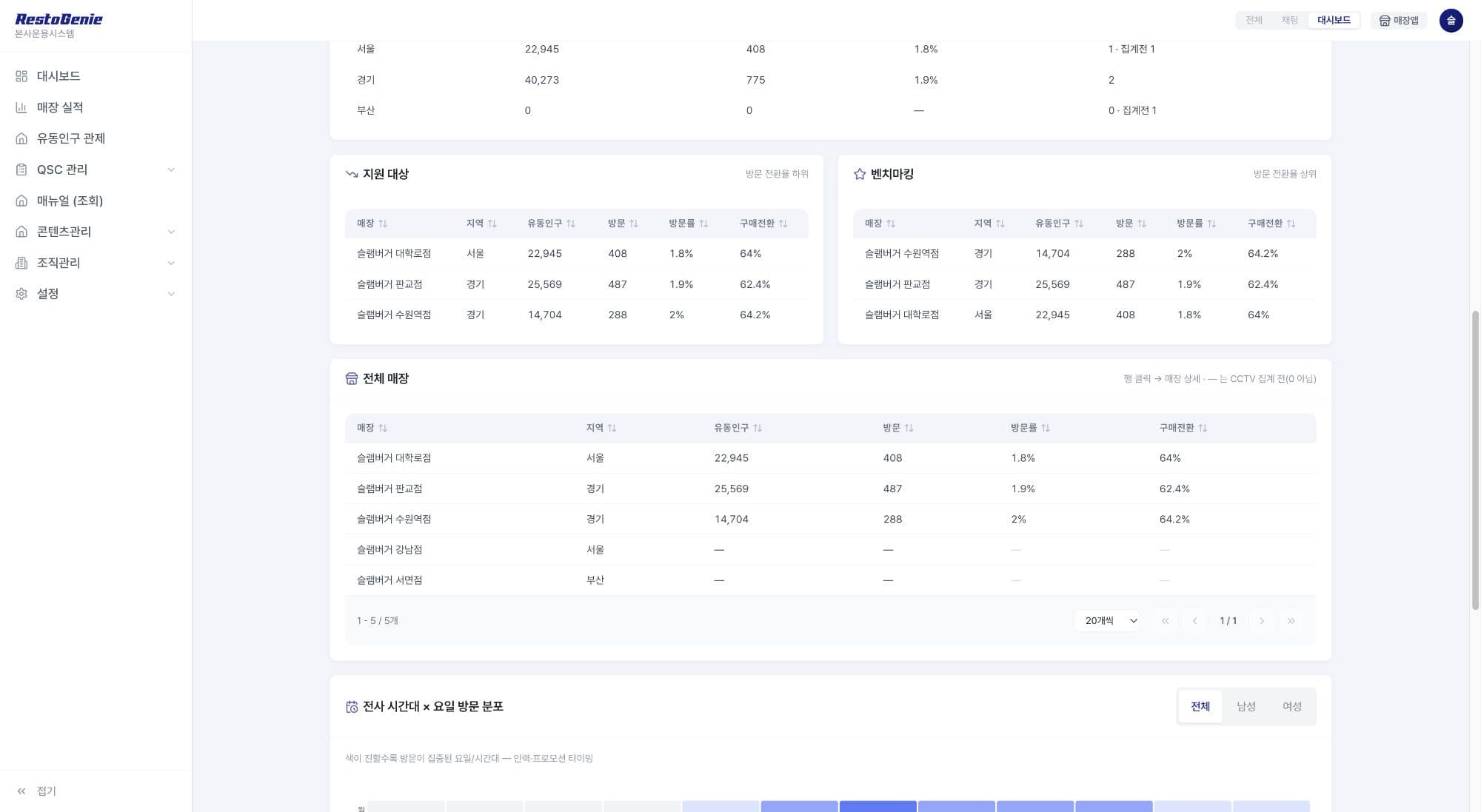
Review entrance visibility, menu signage, promotions and opening hours. Compare the same days and time bands.
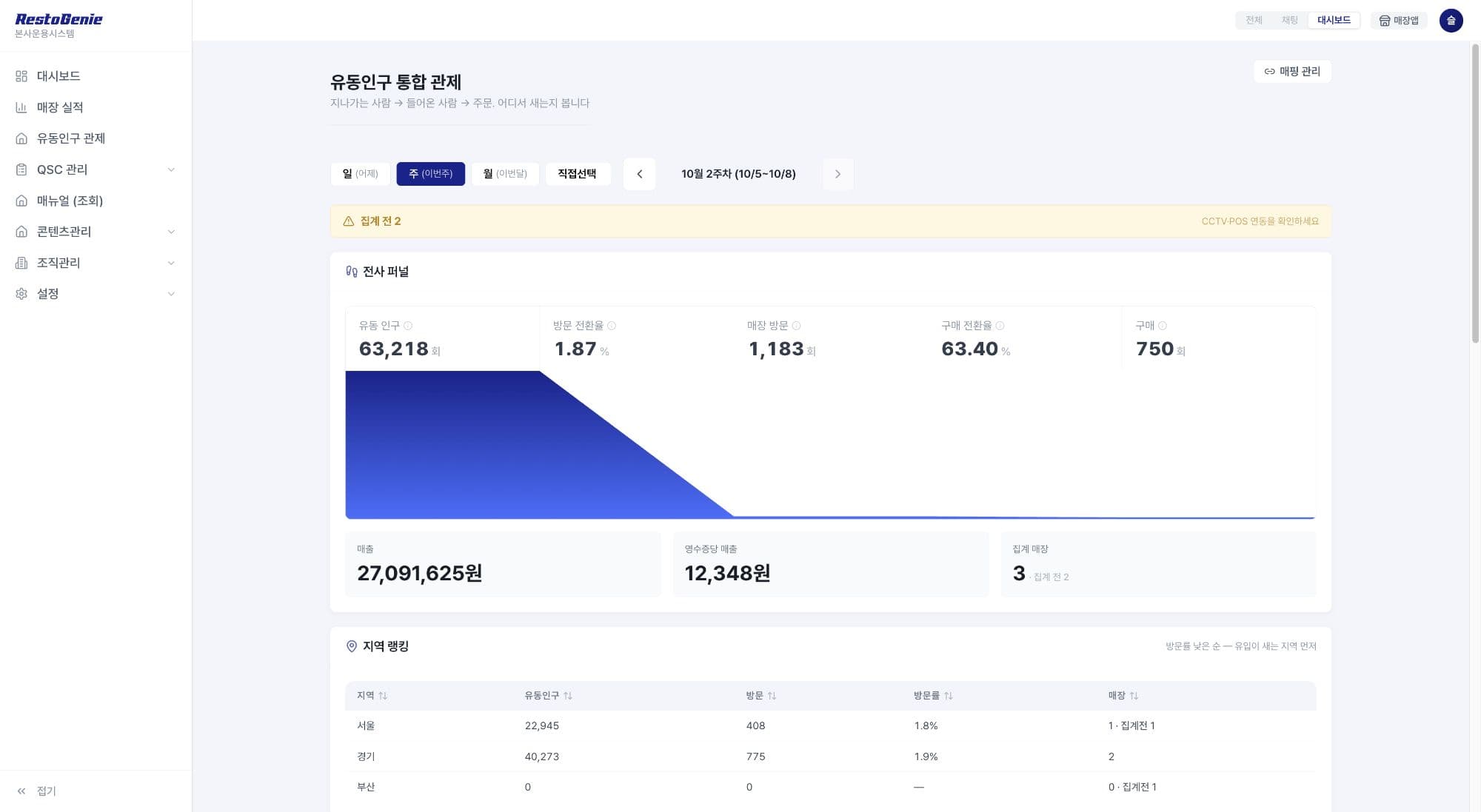
CCTV COUNTS × POS ORDERS
Count the people passing and entering, then compare visits with POS orders. Find which stage changed before deciding what to investigate.
Currently serving operations in South Korea. International rollout and PoC inquiries are welcome.
Use matched stores and time periods. Counting and order data provide aggregate signals, not proof that a particular visitor made a purchase.
Review entrance visibility, menu signage, promotions and opening hours. Compare the same days and time bands.
Check waiting time, unavailable items and the ordering experience. Also inspect group size and order-count definitions.
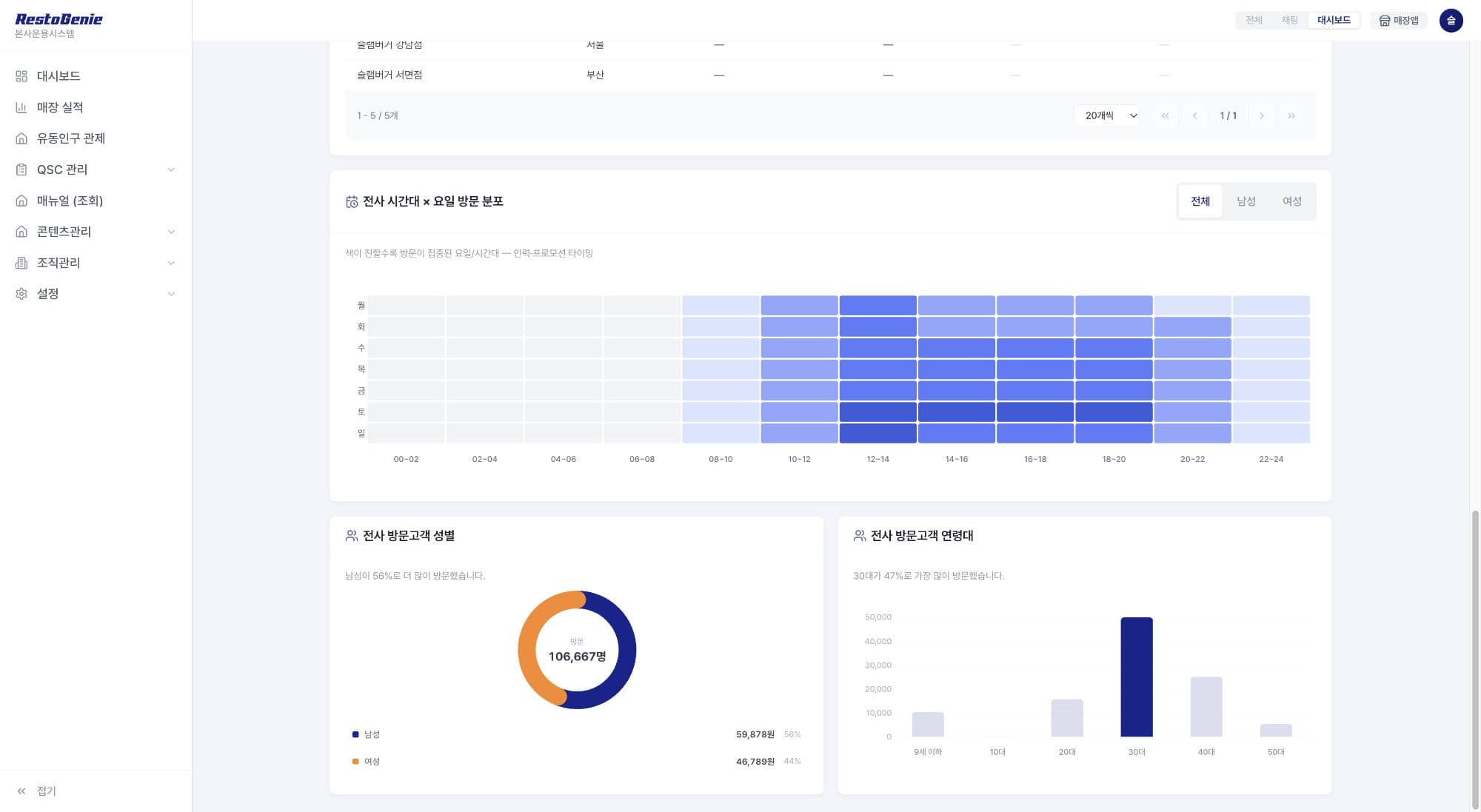
Use the observed pattern when reviewing staff schedules and preparation time.
Explore the workflow →Interactive examples explain the workflow. They are not customer performance claims.
People counted outside the store
Entries counted within the agreed zone
POS orders for the same store and period
Visit rate = visits ÷ passersby. Order-to-visit ratio = orders ÷ visits. Counts must cover the same period; this is not an individual purchase match.
Scroll inside the preview or choose a tab. Original product screens are in Korean.
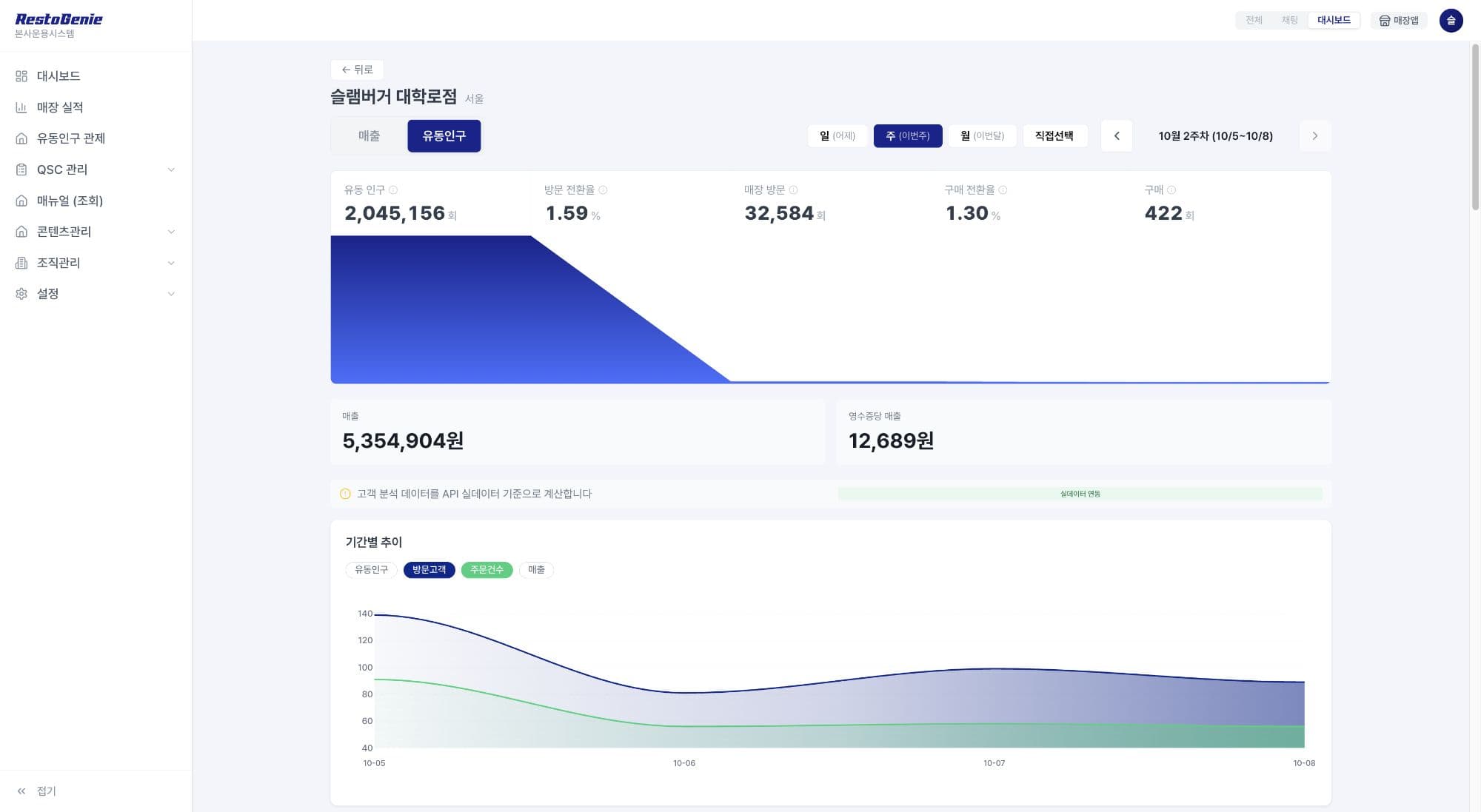
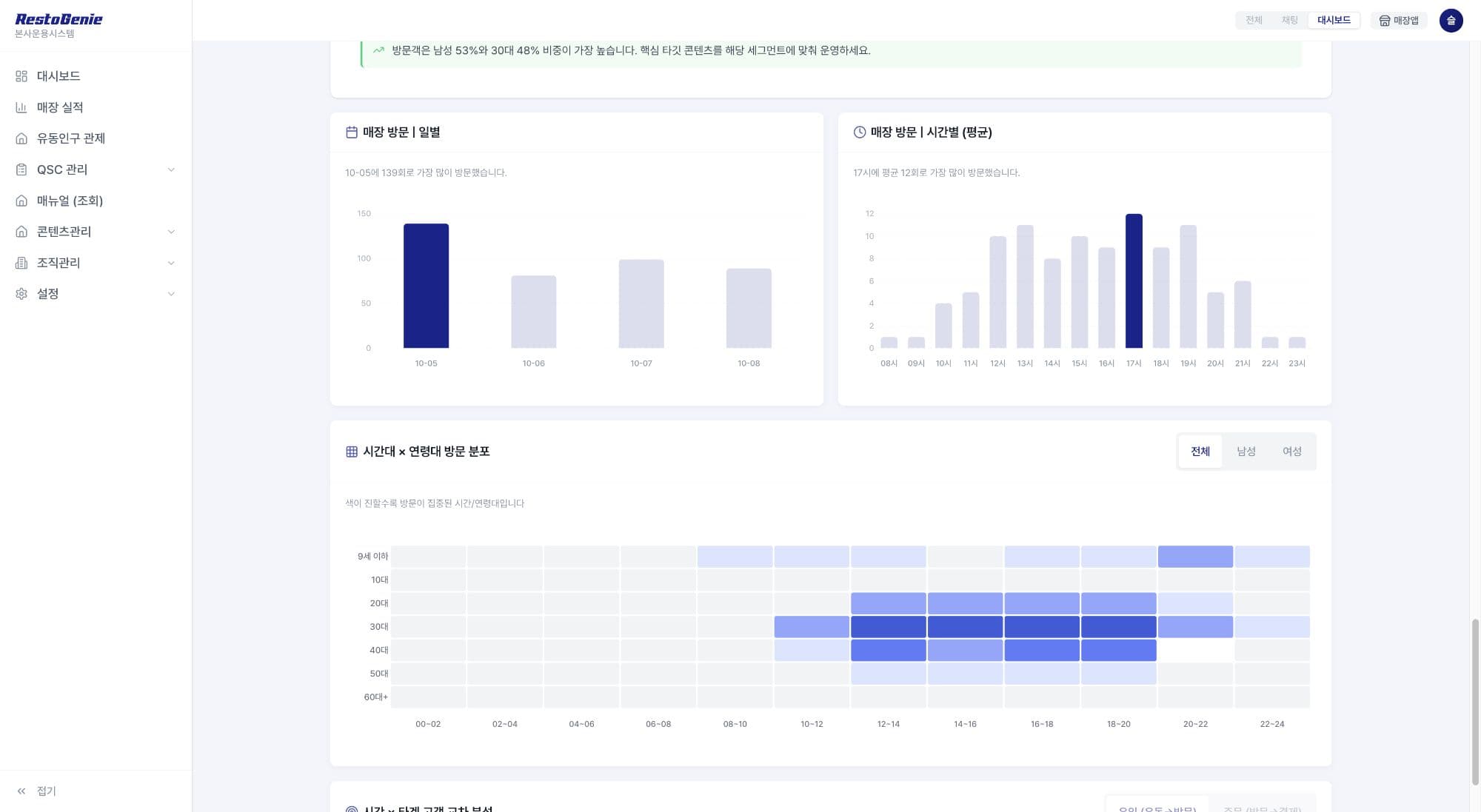
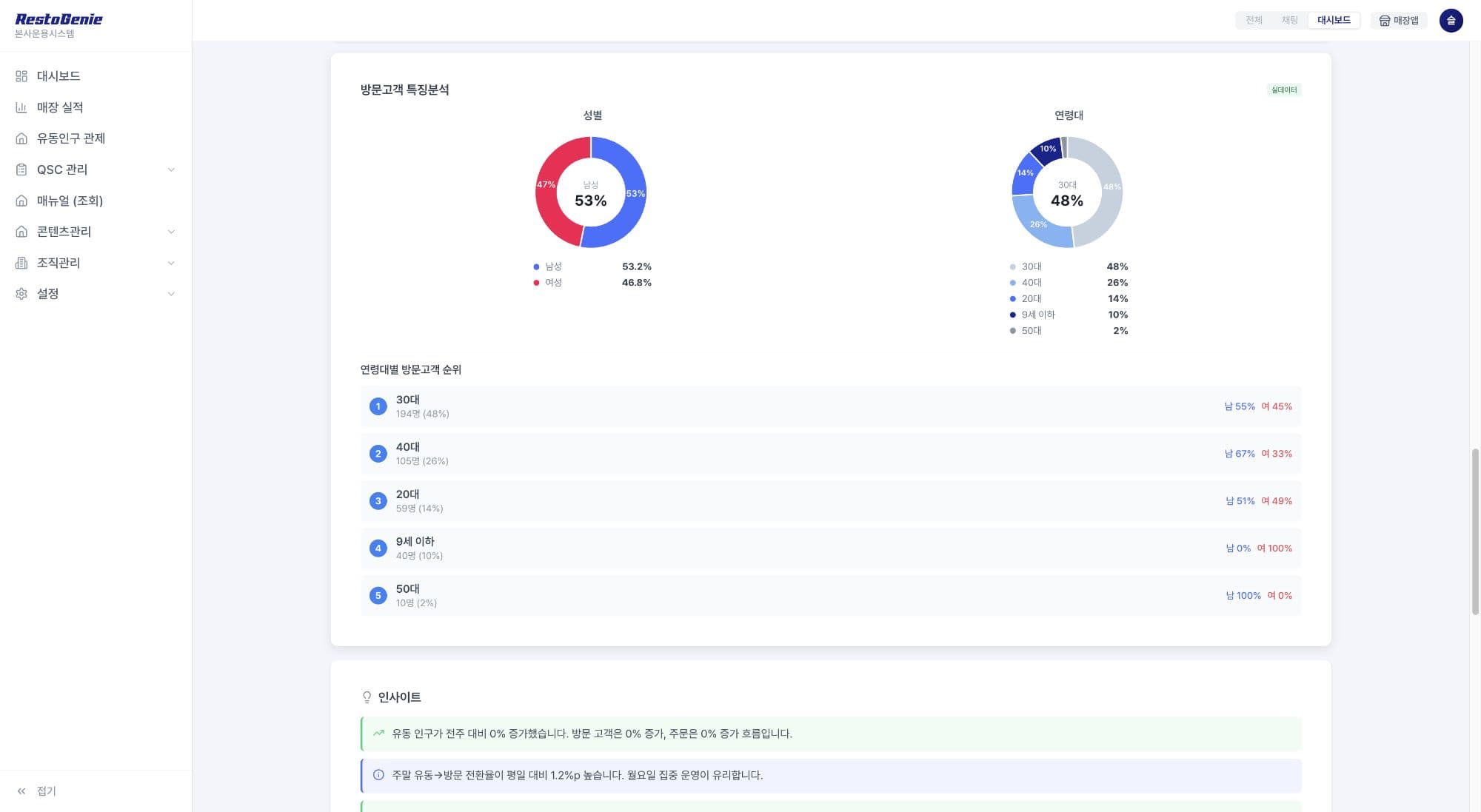
No. This page describes aggregate passerby, visitor and POS order counts. Orders divided by visits is an aggregate ratio, not a person-level purchase match.
We first review camera placement, equipment, counting coverage and access conditions. Hardware, installation and third-party costs are separate from the published analytics option.
Visitors can arrive in groups and place one order, while cancellations and business-date rules affect POS counts. Compare the same store, time window and aggregation rules; missing data must not be treated as zero.
Discuss a Korea rollout or share your interest in an international deployment or PoC. We will review systems, data and the scope with you.
Consultation
Workflows and store count
Tailored demo
Data and feature scope
Plan a pilot
Timing, fees and rollout criteria
* Screens and figures are illustrative. Available features, integrations and rollout timing depend on each customer’s agreed scope.